
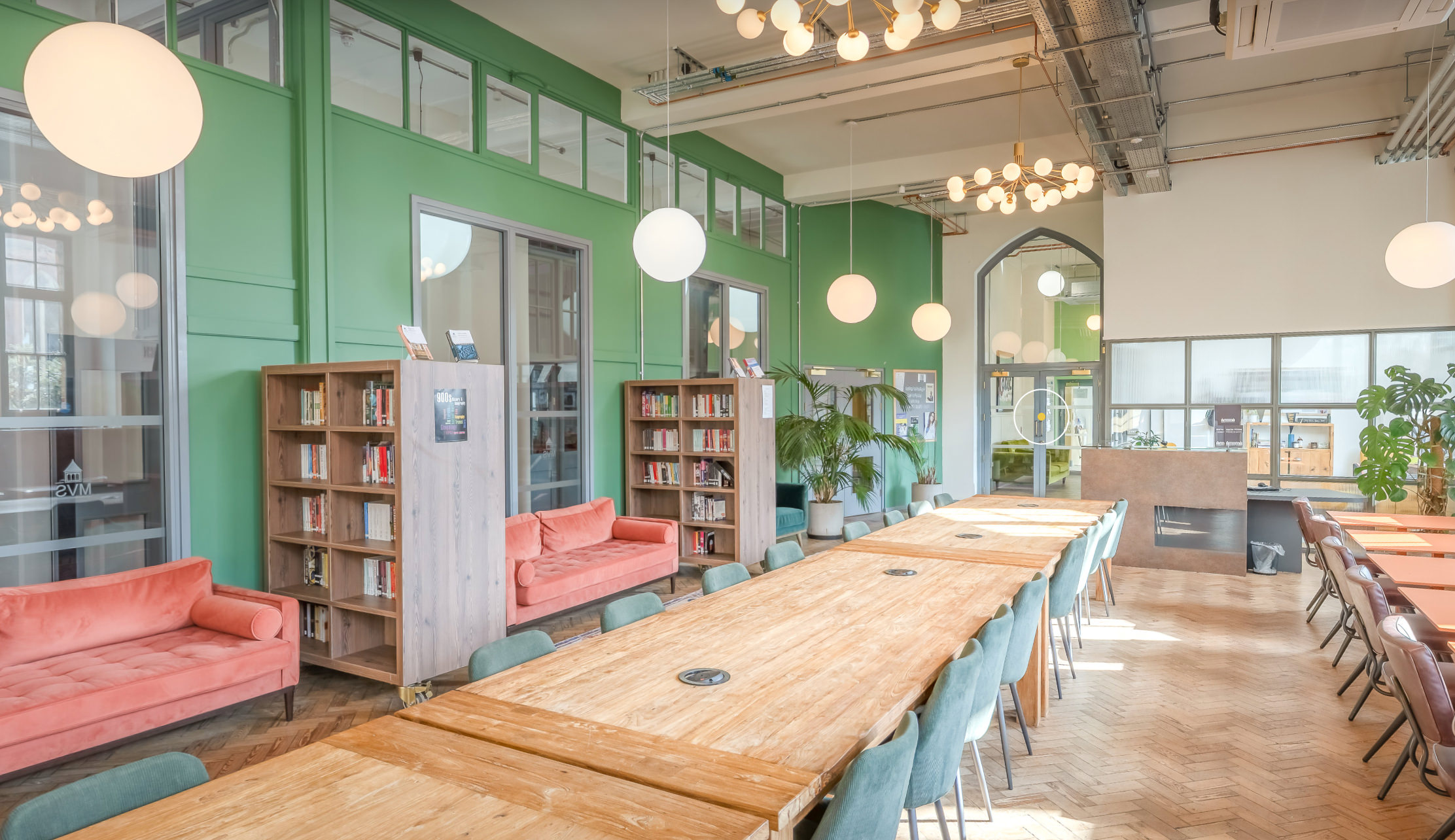
This article is for anyone involved in choosing, managing, or reviewing a school virtual tour, from admissions and marketing teams to senior leadership.
Key takeaways for schools
- Most school virtual tours fail because they prioritise coverage over quality
- Parents and pupils want to see key spaces, not corridors, lockers, pegs, and filler
- Choosing a platform is not the same as choosing a specialist
- Low-quality imagery dates quickly and can make a school look worse online than in real life
- A good school virtual tour should be designed to support admissions for years, not months
If your virtual tour does not reflect the school at its best, families are unlikely to use it.
Why school virtual tours often fail to deliver
A school virtual tour usually fails for a small number of repeatable reasons. In almost every underperforming tour we are asked to review, the same pattern appears.
1. The tour shows everything and says nothing
The most common mistake is trying to show the entire school. This typically includes:
- Long corridors and circulation spaces
- Lockers, pegs, and transitional areas
- Rooms included because they exist, not because they matter
Parents and prospective pupils are not looking for a building plan. They are trying to answer a simple question: what will it feel like to be here?
When a tour feels long, unfocused, or repetitive, people stop engaging with it.
2. The school chose a platform, not a specialist
Many schools default to off-the-shelf virtual tour platforms such as Matterport, because they are quick to deploy and widely available. These platforms are designed for speed and standardisation, rather than the specific needs of schools and admissions teams.
Choosing a platform is not the same as choosing a specialist. A platform provides technology. A specialist provides judgement about what to show, how to show it, and why, and will work closely with you to achieve this.
A school virtual tour will struggle to shine when:
- Every space is treated as equally important – whether a corridor or a science lab
- There is no editorial structure or hierarchy
- The provider cannot clearly explain why the tour is organised as it is
A platform does not make a good tour. Editorial judgement does.
3. Image quality damages perception
Low-resolution capture and minimal post-production are one of the fastest ways to undermine confidence. This often results in:
- Dark or flat imagery that looks cheap
- Colour that feels dull or inaccurate
- Spaces looking tired, even when the school is not
If the school looks better in person than it does in the tour, the tour becomes a liability rather than an asset.
4. The tour was treated as a one-off task
Cheap, one-shot virtual tours are designed to be fast, not lasting. They often:
- Date very quickly
- Need replacing within a few years
- End up wasting budget over time
A school virtual tour works best when it is treated as a long-term admissions asset, not a short-term marketing exercise.
Why schools come to us after a virtual tour has failed
At Eye Revolution, a good proportion of our school work comes from replacing tours that failed to gain traction. Schools usually get in touch because:
- The tour is not being used by admissions teams
- Engagement is low and families do not complete it
- Feedback is negative or indifferent
- The imagery already feels dated or low quality
- The tour does not reflect the school’s standards
In many cases, the original brief was shaped by time pressure or limited options. The idea of a virtual tour was sound. The execution was not.

Our approach: we design the tour before we shoot it
Our approach is simple. A school virtual tour should be designed before a single image is captured. A tour should be planned like an experience, not assembled afterwards from whatever happens to be photographed on the day.
Advisors, not just producers
Before the shoot, we work closely with your team to:
- Understand how the school wants to be experienced
- Identify the spaces that matter most to prospective families
- Advise on how best to prepare those spaces for photography
This preparation stage is where many tours succeed or fail, and where schools often save the most time on the day itself.
Editors, not just capture technicians
We develop the shot list collaboratively with your team, based on priorities rather than floor plans.
On site, our photographers work within a live school environment and alongside staff to ensure the shoot runs smoothly.
We stay flexible. If weather changes, light improves, or a space unexpectedly looks better than planned, we adapt.
We do not follow lists blindly. We follow quality to get the results you need.
Experienced photographers and careful post-production
All our photographers have many years of professional experience and are used to working in complex, lived-in environments such as schools.
Each final image is built from multiple exposure-bracketed photographs and receives an initial hand retouch to ensure it looks clean, bright, and balanced.
For schools in particular, post-production also includes:
- Blurring pupil photographs where required
- Removing children’s names or personal information where these could not be cleared on the day
- Retouching visible wear and tear where appropriate, while remaining true to life
Additional retouching is available for key spaces that require extra attention. This is essential if the tour is expected to remain useful for several years.
A considered interface that fits your brand
The virtual tour interface is developed to sit comfortably within your existing brand. This includes:
- Use of school colours and logos
- Visual consistency with your website and wider marketing materials
- Clear, calm navigation
We can also layer in content-rich pop-ups, contextual information, and introductory text to help families understand what they are seeing. Video introductions can be included where appropriate.
A good school virtual tour company’s offering does not just show spaces. It helps families understand them.
A recent example for a West London schools group
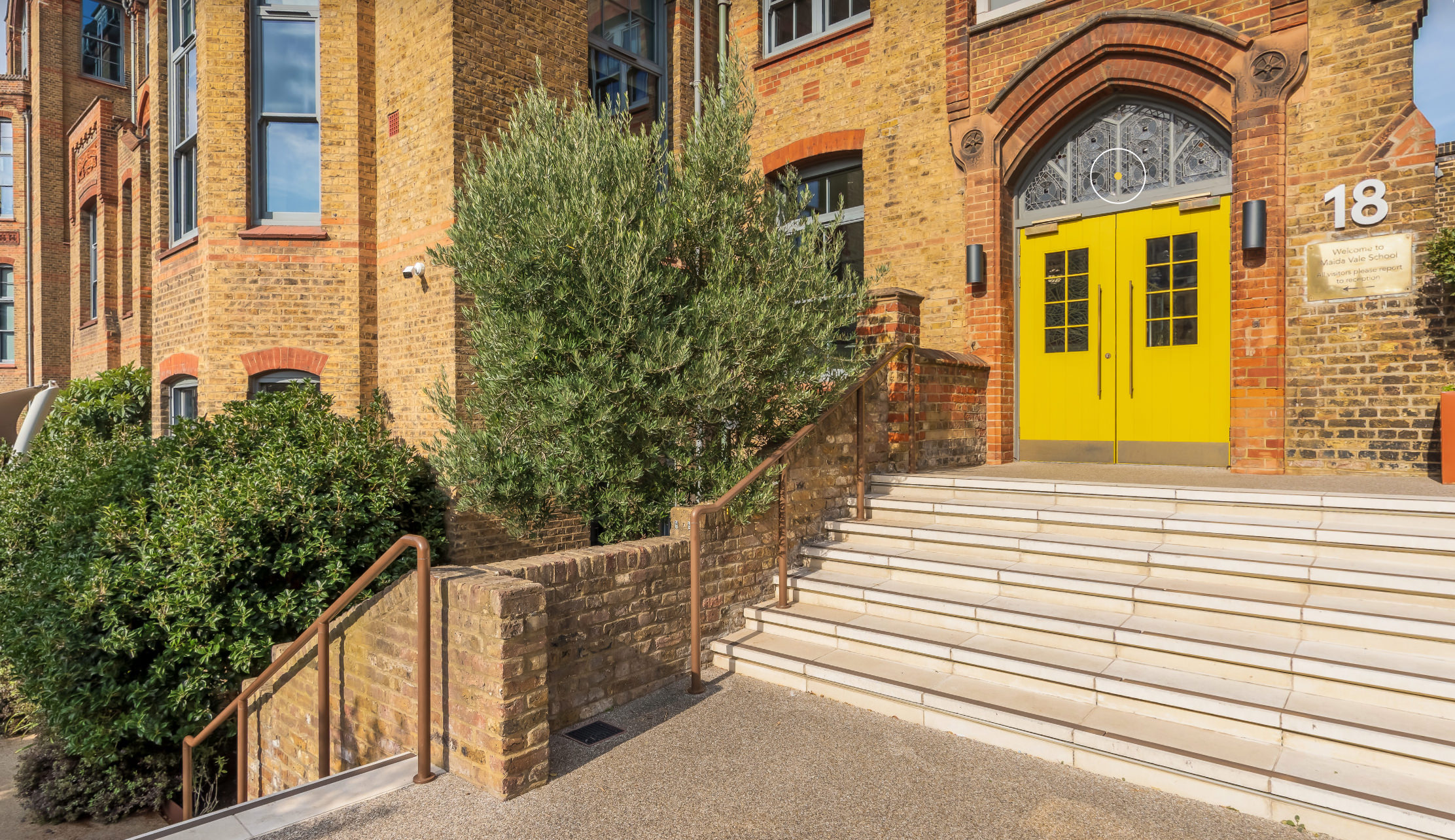
We recently created virtual tours for the Gardener Schools Group, covering their schools in Maida Vale and Kew. Rather than documenting every space, the focus was on selecting the most meaningful environments, presenting them beautifully, and supporting admissions conversations.
What to look for when choosing a school virtual tour company
If you are comparing providers, it is worth asking:
- How do you decide which spaces to include and exclude?
- How will you structure the tour so it tells a clear story?
- What does post-production include, and is an initial retouch part of the process?
- How do you handle safeguarding, faces, and personal information?
- How will the tour reflect our branding and sit within our website?
- What will this tour look like in three years time? Ask to see an example or two of tours from a few years previously – does the imagery still look fresh?
If a provider cannot answer these clearly, they are likely offering capture rather than expertise.
One final question every school should ask
Is your virtual tour a short-term solution, or a long-term admissions asset? If you want a tour that still represents the school properly years from now, it is worth involving a proven school virtual tour company from the outset. A virtual tour should reinforce confidence in your school, not erode it.
Thinking about commissioning a school virtual tour company?
If you are reviewing an existing tour or planning commissioning a school virtual tour company for the first time, we are always happy to talk through what will work best for your school, even if that conversation simply helps you sense-check an approach. A short discussion at the outset often saves time, budget, and frustration later on.